Browsing through the Light: Typically the Art and Research of Daylight Surveyors
In a great age where sustainability and efficiency are usually at the forefront of architectural development, the role of daylight surveyors is now increasingly vital. https://dpr-ireland.com/best-daylight-assessment-ireland/ specialize in evaluating and optimizing natural light in constructing designs, making certain spaces not only satisfy legal requirements although also boost the quality of life intended for occupants. As downtown areas still increase and develop, understanding how daylight connect to structures is important for fostering conditions that prioritize well being and energy preservation.
Sunlight surveys go further than mere compliance checks; they are a key component in shaping new and urban organizing practices. By assessing factors like sunlight factor, overshadowing, plus sunlight accessibility, daytime surveyors provide important insights that notify design decisions. Unique maximizing natural gentle in residential properties or improving vitality efficiency in industrial buildings, the competence of daylight surveyors helps create spots that are not only functional nevertheless also nurturing. This short article delves into the particular multifaceted world of daylight surveying, discovering its significance in building design, city planning, and general occupant satisfaction.
The Importance of Daylight Surveys
Daylight surveys enjoy an essential role throughout building design in addition to urban planning simply by assessing the all-natural light availability inside and around constructions. These surveys help architects and planners learn how sunlight interacts with buildings, guaranteeing that designs maximize daylight exposure whilst minimizing potential overshadowing. By identifying regions with inadequate sun light, professionals can help to make informed decisions to enhance the overall high quality of spaces, leading to healthier plus more inviting environments.
Moreover, daytime surveys are essential for energy performance in buildings. By simply analyzing how daylight enters a place, designers can reduce reliability on artificial illumination during hours of sunlight, hence lowering energy intake. This not simply contributes to cost financial savings for building occupants but also includes a positive impact about the environment by reducing greenhouse gas emissions. Consequently, daylight surveys certainly are a crucial factor in advertising sustainable building methods and achieving energy-efficient design and style.
In addition, the significance of daylight surveys reaches up to regulatory complying and planning permissions. Many local authorities in addition to planning agencies require daylight analyses in order to ensure that brand new developments do not necessarily negatively impact the particular natural light open to existing neighboring attributes. By conducting comprehensive daylight surveys, builders can navigate housing code regulations, secure necessary permits, and advertise harmonious urban development, ultimately contributing to be able to a balanced community where all properties may enjoy adequate sunlight access.
Great things about Daylight Analysis
Daylight analysis presents numerous advantages that will significantly impact building design and urban planning. One of many benefits is the improvement of energy effectiveness. By understanding just how natural light interacts with a space, are usually and designers may optimize window positions and building positioning, reducing reliance in artificial lighting. This particular not only decreases energy consumption nevertheless can also prospect to substantial cost savings for occupants and building proprietors alike.
Another crucial advantage of daylight analysis will be the improvement of occupant wellbeing. Studies include shown that entry to natural light can easily greatly enhance mood and productivity, as well as market general health. Daylight analysis assists in producing environments that foster positive psychological effects, making spaces really feel more inviting and even reducing the probability of seasonal efficient disorders. In workplaces, increased daylight can result in higher job fulfillment and lower absenteeism.
In addition, daylight analysis plays a pivotal role in complying using regulatory standards plus securing planning accord. Many urban places have specific requirements for daylight gain access to that needs to be met in new developments. Conducting thorough daylight research helps property proprietors and developers assure their projects adhere to these regulations, preventing costly renovations and delays. This particular proactive approach not only facilitates smoother planning processes but also instills confidence in stakeholders regarding the project's sustainability and even community impact.
Part of Daylight Surveyors
Daytime surveyors play some sort of crucial role within the architectural and downtown planning process by simply assessing how sun light interacts with structures and outdoor spots. Their expertise allows those to evaluate typically the availability of daylight in various options, which helps can be and developers help to make informed decisions regarding design and layout. By measuring daylight factors and studying sunlight paths, they will provide vital information that influences the particular placement of windows, the orientation involving buildings, and typically the overall aesthetic of a project.
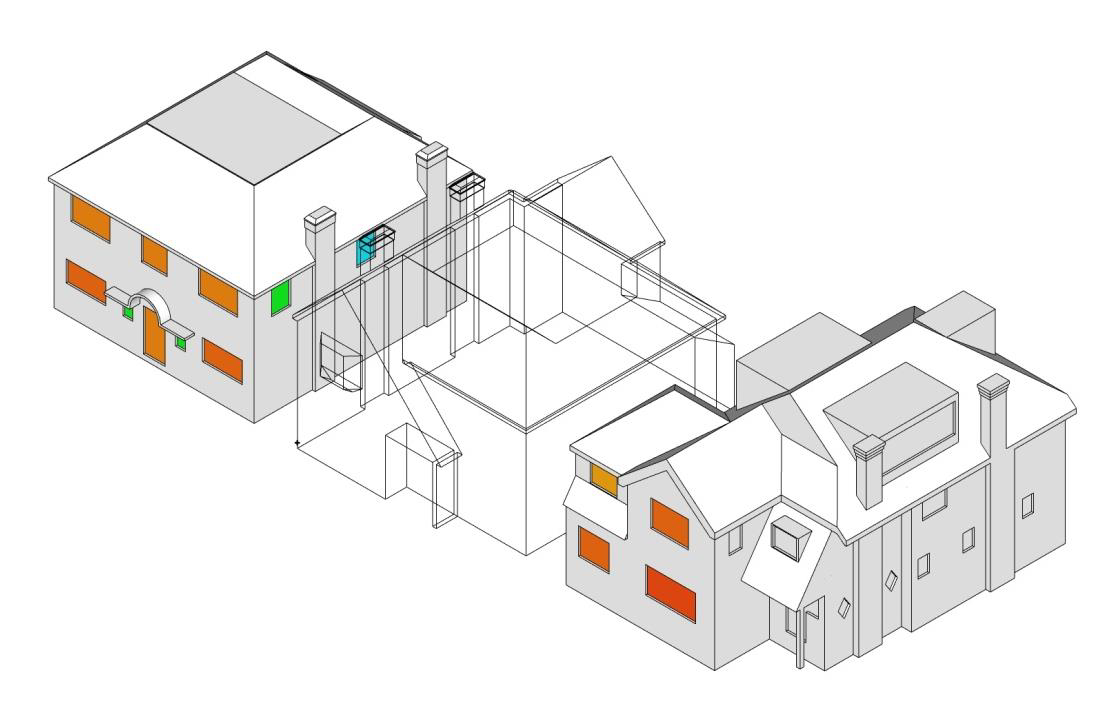
In urban planning, daylight surveyors help make certain that brand new developments usually do not dominate existing properties, preserving a pleasant living environment for citizens and enhancing the particular urban landscape. Through the use of advanced software and even analysis tools, they will simulate various cases, allowing stakeholders to visualise the impact regarding new constructions in light availability throughout surrounding areas. This kind of collaborative approach not only improves project design but furthermore facilitates smoother organizing permission processes.
Furthermore, sunlight surveyors contribute significantly to sustainable developing practices. Their tests promote energy-efficient patterns that maximize the particular use of natural light, reducing reliance upon artificial lighting in addition to lowering energy usage. By integrating sunlight into the building's architecture, they help occupant wellbeing plus indoor comfort, which usually are increasingly known as important factors in modern developing design.